
For centuries, Mars has captured human imagination as a distant, rust-colored neighbor filled with possibility. Stories, sketches, and speculation have painted it as a second home waiting to happen. Today, that curiosity feels closer to reality than ever before. Scientists, engineers, and dreamers are all asking the same question: Can humans live on Mars in the near future? To answer that, we need to look beyond excitement and explore what life on another planet would truly involve.
Why Mars Draws Human Attention
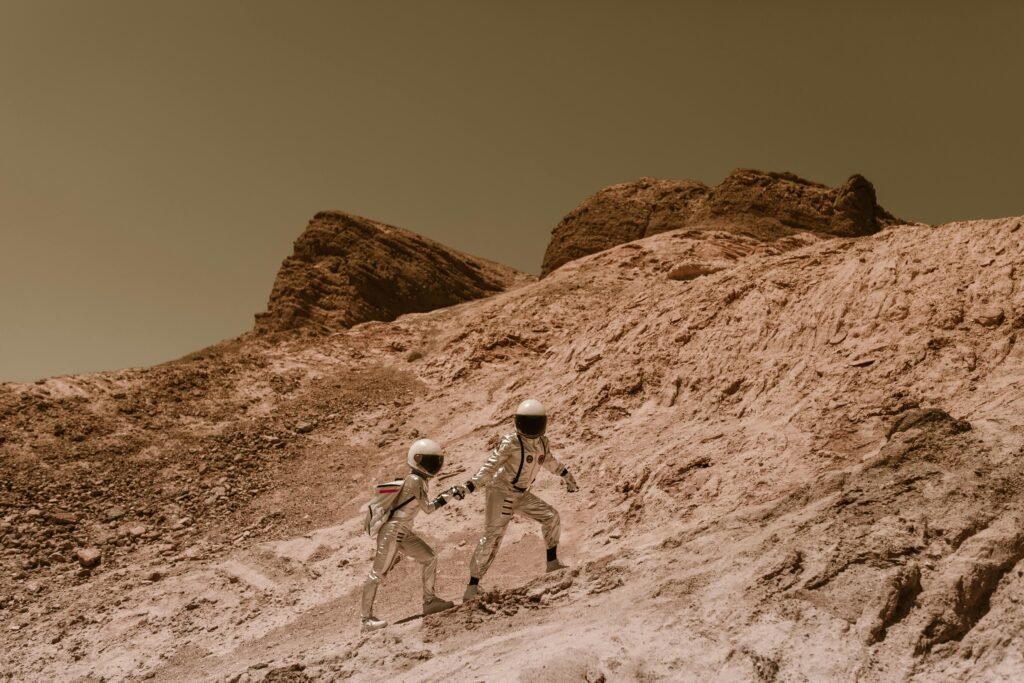
Mars stands out not because it is welcoming, but because it is familiar in subtle ways. It has seasons, polar ice, and a day length not very different from Earth’s. These similarities make people wonder whether is Mars habitable in some form, even if not naturally comfortable.
The idea of living on Mars is not about luxury or ease. It is about adaptability. Mars represents a place where human ingenuity would be tested at every level, from basic survival to emotional resilience.
This fascination has also fueled long-term thinking about Mars colonization, not as an escape from Earth, but as an expansion of human presence beyond one planet.
What Human Life on Mars Would Actually Look Like
Imagining human life on Mars often brings to mind domed cities and open exploration. The reality, at least early on, would be far more controlled and careful.
Life would unfold inside sealed habitats designed to protect against radiation, extreme cold, and a thin atmosphere. Every breath, drop of water, and source of food would be managed. Daily life might include:
- Living in enclosed spaces for long periods
- Relying on recycled air and water systems
- Working constantly to maintain equipment and habitats
Rather than dramatic exploration, much of early Martian life would be routine, maintenance, and problem-solving. Survival would depend on cooperation and patience more than adventure.
Read Next: Latest Discoveries in Space Exploration 2026 — Major Breakthroughs Explained
The Challenges That Shape the Question
The biggest obstacles are not abstract. The challenges of living on Mars are physical, psychological, and environmental.
Mars has a harsh surface that offers little natural protection. Communication delays with Earth mean people must solve problems independently. Isolation could affect mental well-being as much as physical health.
Some of the most significant challenges include:
- Exposure to radiation over long periods
- Limited access to fresh food and medical care
- Emotional strain from distance and confinement
These challenges do not make life impossible, but they demand preparation and realism. Each difficulty forces a deeper look at what humans truly need to thrive, not just survive.
Can Technology Bridge the Gap?
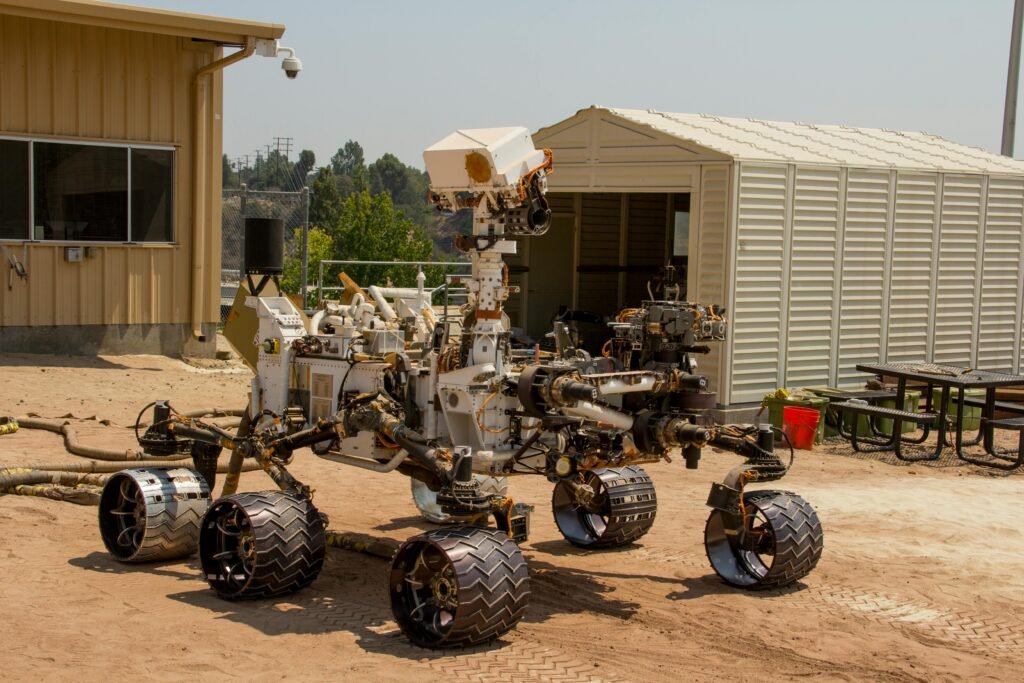
Much of the optimism around Mars comes from the belief that technology can adapt environments to human needs. Controlled habitats, advanced life-support systems, and careful planning could make a sustained presence possible.
Still, technology alone cannot answer whether humans can live on Mars comfortably. Tools can create shelter, but they cannot replace sunlight, open space, or natural ecosystems. This raises an important point. Living on Mars would not feel like life on Earth. It would be a new form of existence shaped by limits.
Rather than asking when Mars will become Earth-like, it may be more honest to ask how humans might change to fit Mars.
Why the Near Future Matters
The phrase “near future” suggests urgency, but it also invites caution. Establishing even a small, temporary human presence on Mars would require years of planning and learning.
Early missions would likely focus on understanding what long-term exposure does to the human body and mind. These first steps would shape whether Mars becomes a temporary research destination or something more enduring.
This gradual approach allows space exploration to remain thoughtful rather than rushed.
Conclusion
So, can humans live on Mars in the near future? The answer lies somewhere between possibility and patience. Mars is not waiting with open arms, but it is not entirely closed off either. Living there would demand resilience, cooperation, and a willingness to redefine comfort and normalcy. As humanity looks toward the red planet, the real journey may not be about conquering a new world, but about understanding what it truly means to call any place home.