
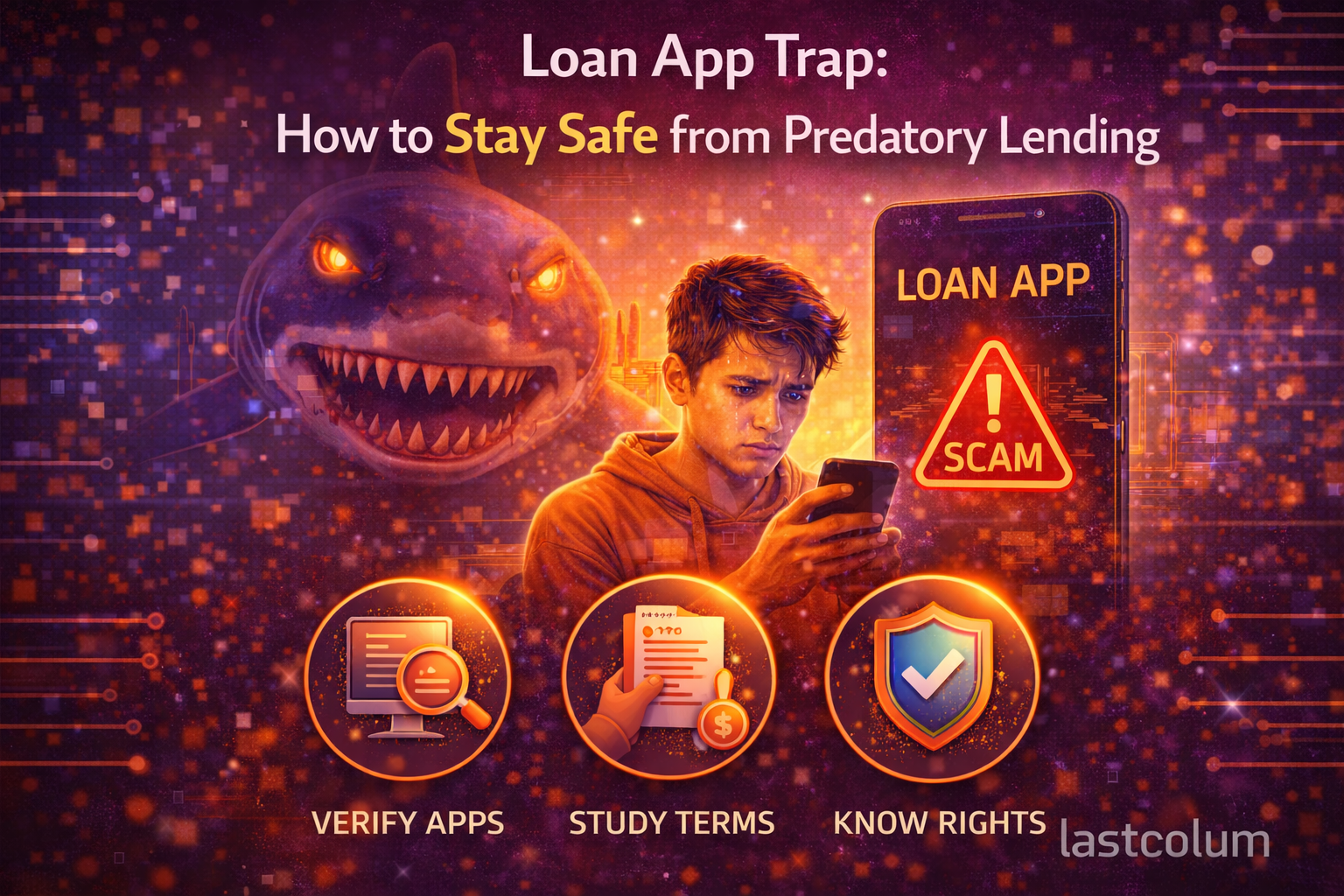
In August 2021, Bhupendra Vishwakarma, a 35-year-old insurance worker from Bhopal, left a four-page suicide note and ended his life along with his wife’s. The last message he received from a loan app’s recovery agent read: “Tell him to repay the loan; otherwise, today I will strip him naked and upload it on social media.”
He borrowed a small amount. He couldn’t keep up with repayments that had been deliberately designed to be impossible to clear. By the time he died, he owed a fraction of what his family would lose.
This is not a fringe case. Since 2020, at least 60 people in India have died by suicide linked to loan app harassment. The Loan Consumer Association has helped nearly 1,800 people caught in these traps and their founder Nikkhil Jethwa estimates 90% of those victims were experiencing clinical depression or distress by the time they reached out.
How the Trap Is Built
These apps don’t look dangerous. That’s the design.
They advertise on YouTube, Instagram, and the Google Play Store. They promise instant approval, no paperwork, money in minutes. The loan terms shown in the app store listing often bear no resemblance to what borrowers actually receive. Interest rates can run at 300–500% annually when processing fees, late charges, and short repayment windows are factored in.
A 46-year-old man in Hyderabad downloaded two apps Loan Radar and Quick Funds in August 2025. He made his repayments on time. The apps then credited higher, unsolicited loan amounts into his account without consent. By the sixth day of a seven day loan, threatening calls began. His photos were morphed into pornographic images and sent to his contacts. Between September 2025 and February 2026, he repaid over ₹64 lakh on a loan he never asked for.
The harassment model is systematic. Apps request access to your contacts and gallery during installation. That data becomes leverage. Missed payment or not many victims report harassment beginning before any repayment is technically overdue.
Google has removed more than 4,700 illegal loan apps from the Play Store over two years. As of early 2026, new ones continue to appear.
Red Flags Before You Download
The warning signs are consistent across almost every reported case:
The app has no verifiable NBFC or bank partner listed. Every legal digital lender in India must be backed by an RBI registered Non-Banking Financial Company or bank. If you can’t find that information in the RBI’s directory, stop there.
The app asks for access to your contacts, gallery, or SMS messages during installation. Legitimate lenders need identity verification. They don’t need your photos or your family’s phone numbers.
There is an upfront processing fee before the loan is disbursed. This is illegal under RBI guidelines. Legitimate apps deduct fees from the loan amount they do not ask you to pay before receiving anything.
The repayment window is seven days or less. This isn’t a loan structure designed to help borrowers. It’s designed to manufacture default.
What to Do If You’re Already Targeted
Stop paying beyond what you legitimately owe. Continuing to pay under threat usually escalates demands, not reduces them.
Tell your contacts what’s happening before the app does. The harassment model relies on victims staying silent out of shame. Most people in the victim’s network are more understanding than the app operators expect.
File a complaint at cybercrime.gov.in. Report to your state police’s cybercrime unit as well the Enforcement Directorate has made arrests in these cases, including operators running schemes through mule bank accounts linked to Chinese shell companies.
Contact your LPG provider’s official helpline. If you need legal support, the Loan Consumer Association offers counselling and complaint assistance. The RBI grievance portal accepts complaints specifically about digital lending platforms.
Under Section 66E of the Information Technology Act, sharing morphed or private images without consent is a criminal offence. Recovery agents using these tactics can be prosecuted.
Frequently Asked Questions
How do I check if a loan app is RBI approved and safe to use?
Go to the RBI’s official website and search the list of registered NBFCs. Any legal loan app in India must be backed by a lender from that list. The app itself should clearly state its NBFC or bank partner not bury it in terms and conditions. If you can’t find the partner name, or the RBI directory doesn’t show a match, don’t download. You can also check at rbi.org.in under the “Complaints” section for apps that have already been flagged.
What should I do if a loan app is threatening to send my photos to my contacts?
File a complaint immediately at cybercrime.gov.in and your nearest police station. The sharing of morphed or private images is a criminal offence under Section 66E of the IT Act this applies even if you owe money. Tell your contacts what’s happening yourself, before the app does. The harassment depends on your silence and your fear of exposure. Taking away the threat of exposure often takes away most of their power over you. Do not pay additional amounts under threat it rarely stops the harassment and usually increases demands.
What is the maximum legal interest rate a loan app can charge in India?
The RBI does not cap interest rates for NBFCs directly, but it requires all digital lenders to disclose the Annual Percentage Rate (APR) clearly before loan disbursement, including all fees and charges. Any lender that does not show you the full APR upfront or that adds charges after disbursement is violating RBI Digital Lending Directions 2025. If the effective annual rate exceeds 36%, that’s a strong indicator of a predatory product. If it’s being charged by an unregistered lender, the entire operation is illegal.
Other Articles
How Is Social Media Affecting Teenagers’ Mental Health?
How Do You Actually Get Good at Vibe Coding? Tips That Work