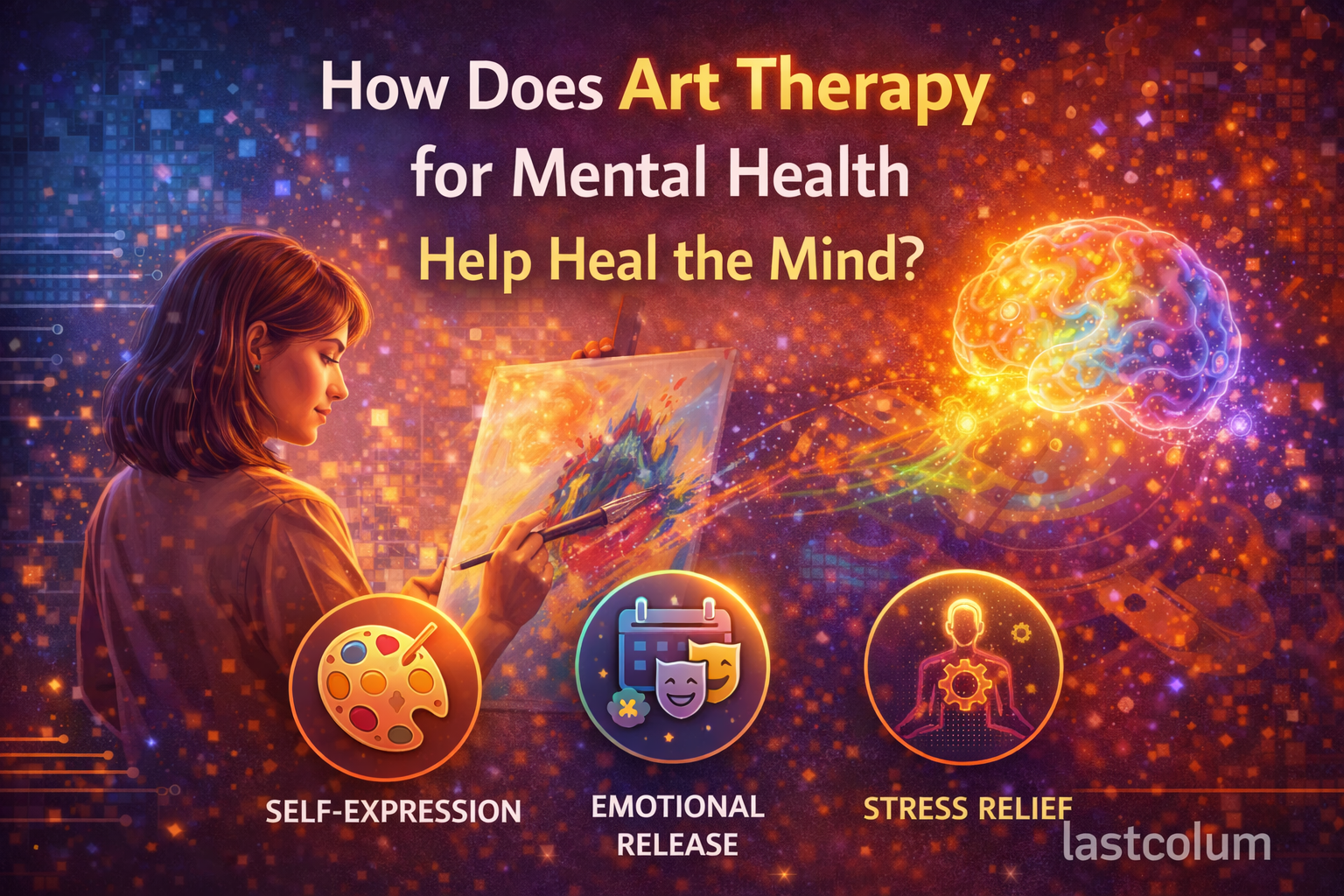
Creative expression has always played an important role in human life. People paint, draw, write, and sculpt to express thoughts and emotions. However, creativity also supports psychological healing. This is where art therapy for mental health becomes valuable.
Art therapy combines artistic activities with psychological guidance. Additionally, it allows individuals to express emotions that are difficult to explain with words. Consequently, many therapists use creative methods to support emotional recovery and stress management.
This approach works for people of different ages and backgrounds. Moreover, it helps individuals process feelings, improve self awareness, and develop healthy coping strategies.
What Is Art Therapy?
Art therapy is a structured therapeutic practice that uses creative activities for emotional healing. Unlike casual drawing or painting, art therapy occurs under the guidance of trained professionals. Additionally, therapists help interpret emotions expressed through artwork.
The process focuses on expression rather than artistic skill. Therefore, anyone can participate regardless of talent. People often create images, symbols, or abstract designs that represent their inner experiences.
Art therapy sessions may include activities such as:
- Drawing or painting emotional experiences
- Creating visual journals to track feelings
- Sculpting objects that represent personal challenges
These creative exercises allow individuals to explore emotions safely. Consequently, therapy sessions often reveal thoughts that traditional conversations may miss.
Art Therapy for Mental Health Benefits
Many psychologists recognize the benefits of art therapy for mental health in treating emotional difficulties. Creative activities stimulate multiple areas of the brain. Additionally, artistic expression helps release stress and tension.
Research suggests that creative expression supports emotional regulation and cognitive flexibility. Consequently, individuals often experience improved mood after art based activities.
Key benefits include:
- Reduced anxiety and stress levels
- Improved emotional awareness and expression
- Increased self confidence and self understanding
These benefits make art therapy useful for both clinical and everyday mental health support. Moreover, creative activities provide a calming and reflective experience.
How Creative Expression Supports Emotional Healing
Creative expression activates the brain differently than verbal communication. Visual art allows people to represent emotions symbolically. Additionally, colors, shapes, and textures can express feelings that words cannot easily describe.
For example, someone experiencing sadness may create darker images. Conversely, hopeful emotions may appear through brighter colors and open shapes. Consequently, artwork becomes a visual reflection of inner thoughts.
Therapists analyze these patterns carefully. However, the main goal remains self discovery rather than interpretation alone. This process helps individuals understand their emotions more clearly.
Moreover, creating art encourages mindfulness. People focus on the present moment while drawing or painting. Therefore, the activity reduces rumination and mental stress.
Who Can Benefit From Art Therapy?
Art therapy supports a wide range of individuals. Children often respond especially well to creative expression. Additionally, adults facing stress or emotional trauma may find it helpful.
Common groups who benefit include:
- Individuals dealing with anxiety or depression
- Children experiencing emotional or behavioral difficulties
- Patients recovering from trauma or grief
However, art therapy also supports general mental wellness. Many people use creative activities simply to maintain emotional balance.
Educational institutions and healthcare centers increasingly incorporate art therapy programs. Consequently, awareness about creative healing methods continues to grow.
Art Therapy in Modern Mental Health Treatment
Modern psychology increasingly recognizes holistic treatment approaches. Therapists combine traditional counseling with creative methods to improve outcomes. Additionally, art therapy works well alongside cognitive behavioral therapy and mindfulness practices.
Digital technology also expands creative therapy opportunities. For example, digital drawing tools allow individuals to express ideas visually without traditional materials. Consequently, therapy sessions can adapt to modern lifestyles.
Researchers continue studying the psychological effects of artistic expression. Early evidence suggests that creative activities improve emotional resilience and stress management.
Therefore, art therapy will likely become more integrated into mental health care systems worldwide.
Creative expression offers powerful tools for emotional healing. Through drawing, painting, and other artistic activities, individuals can explore thoughts and feelings safely. This is why art therapy for mental health continues to gain recognition in psychology and wellness programs.
Additionally, art therapy helps people understand emotions, reduce stress, and develop healthier coping mechanisms. As mental health awareness grows, creative therapies will likely play a larger role in holistic treatment approaches.
Frequently Asked Questions(FAQs)
What is art therapy used for in mental health treatment?
Art therapy helps individuals express emotions, reduce stress, and explore psychological experiences through creative activities.
Do you need artistic talent to benefit from art therapy?
No artistic skill is required. The focus remains on emotional expression rather than artistic quality.
Can art therapy help with anxiety and depression?
Yes, many therapists use art therapy to support treatment for anxiety, depression, trauma, and emotional stress.