
How Has International Women’s Day Shaped Women’s Progress in India?
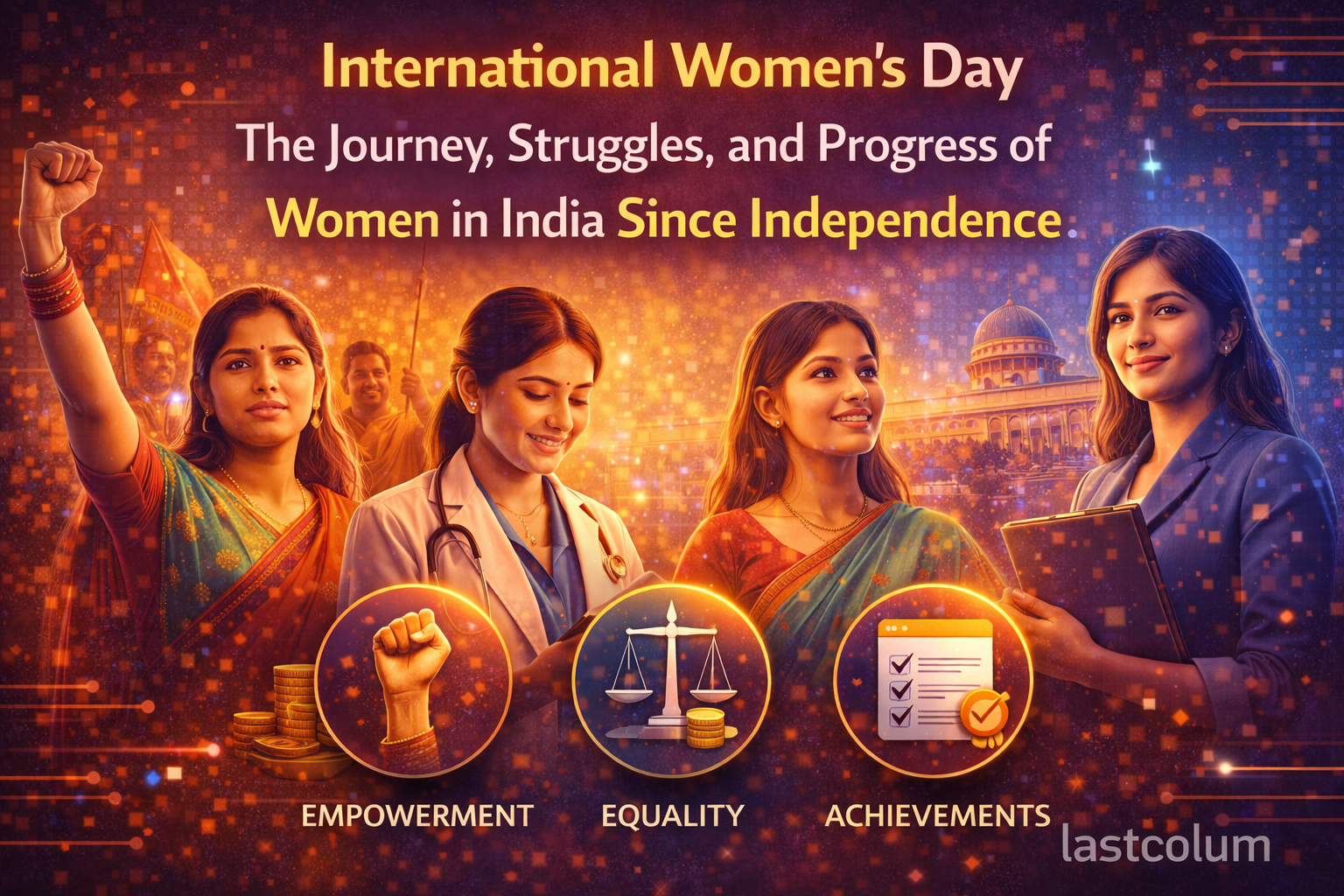
Every year on International Women’s Day, people worldwide celebrate the achievements and resilience of women. In India, this day carries deep historical meaning. It highlights the long journey of women’s empowerment since independence in 1947.
India has witnessed remarkable progress in education, politics, and professional fields. However, challenges such as gender inequality and social barriers still exist. Therefore, reflecting on International Women’s Day helps society understand both the progress made and the work that remains.
The Early Years After Independence
After India gained independence in 1947, the new constitution promised equality for all citizens. Women received voting rights and legal protection under the law. Consequently, these rights laid the foundation for future progress.
Education became one of the first areas of transformation. Additionally, government initiatives encouraged girls to attend school. Over time, literacy rates among women improved significantly.
However, social norms remained restrictive in many regions. Many women still faced barriers in employment and public participation. Therefore, progress occurred gradually rather than instantly.
International Women’s Day and the Growth of Women’s Rights in India
Over the decades, International Women’s Day became a symbol of awareness and advocacy in India. Organizations, activists, and policymakers used this day to highlight gender equality issues.
Several milestones shaped women’s rights during this period:
- Expansion of education opportunities for girls
- Laws protecting women from domestic violence and workplace harassment
- Increased participation of women in politics and leadership
Consequently, these developments strengthened women’s visibility in public life. Additionally, media coverage and social campaigns amplified discussions about equality.
Government policies also played a major role. Programs supporting female education and entrepreneurship created new economic opportunities.
Women’s Achievements in Politics, Science, and Sports
India has produced many influential women leaders across different sectors. Their achievements demonstrate the country’s growing recognition of female talent.
For example, Indira Gandhi became India’s first woman prime minister and one of the most powerful leaders in modern history. Additionally, women scientists and astronauts have represented India globally.
Sports have also seen remarkable female success. Athletes such as Mary Kom and P. V. Sindhu have inspired millions.
These achievements reflect broader societal change. Consequently, younger generations increasingly view leadership as gender neutral.
Ongoing Challenges Women Still Face
Despite progress, several challenges continue to affect women in India. Social expectations and economic disparities remain important concerns. Additionally, rural and urban experiences often differ significantly.
Key issues include:
- Gender pay gaps in many industries
- Safety concerns in public spaces
- Limited leadership representation in some sectors
Addressing these challenges requires continuous policy reform and cultural change. Consequently, education and awareness campaigns remain essential.
Civil society organizations also contribute significantly. They support women through training programs, legal aid, and community initiatives.
The Role of Education and Economic Independence
Education remains one of the strongest drivers of women’s empowerment. When girls receive quality education, they gain skills and confidence for future careers. Additionally, education improves decision making and financial independence.
Economic independence also transforms social dynamics. Women who earn their own income often gain greater influence in family and community decisions.
Important factors supporting empowerment include:
- Access to higher education and professional training
- Entrepreneurship opportunities for women
- Government programs supporting female employment
Consequently, economic participation strengthens gender equality across society.
The Cultural Impact of Women’s Progress
Women’s progress influences culture, media, and public attitudes. Movies, literature, and journalism increasingly highlight women’s experiences and achievements. Additionally, digital platforms give women stronger voices.
Young women now pursue careers in technology, entrepreneurship, and creative industries. Consequently, traditional gender roles are gradually evolving.
However, cultural change requires time and collective effort. Families, institutions, and policymakers must work together to support equality.
The story of International Women’s Day in India reflects a powerful journey of resilience and transformation. Since independence, women have gained greater access to education, leadership, and professional opportunities. Additionally, their contributions have strengthened India’s social and economic development.
However, achieving true gender equality requires continued commitment. By recognizing achievements and addressing ongoing challenges, society can build a more inclusive future. Consequently, International Women’s Day remains an important reminder of both progress and responsibility.
Frequently Asked Questions(FAQs)
Why is International Women’s Day celebrated in India?
International Women’s Day celebrates women’s achievements and raises awareness about gender equality and women’s rights.
How have women’s rights improved in India since independence?
Women gained voting rights, better access to education, legal protections, and greater representation in politics and professions.
What challenges do women in India still face today?
Women still face issues such as pay inequality, safety concerns, and limited representation in some leadership roles.