
You have probably heard someone say, “Don’t worry, karma will take care of it.” The idea feels comforting, almost logical. Do something good, and good follows. Do something harmful, and consequences appear sooner or later. But if karma were that simple, life would always feel fair and predictable, which it clearly does not. This is where many people pause and ask a deeper question: What is karma really? Is it just a moral version of cause and effect, or is there something more quietly shaping our experiences?
Let us explore this idea gently, without heavy philosophy, and see how karma shows up in everyday life.
Seeing Karma as Cause and Effect
At its most basic level, karma does look a lot like cause and effect. Actions lead to outcomes. Choices create ripples. When you speak kindly, relationships soften. When you act carelessly, complications arise.
This way of thinking makes sense because it mirrors how we already understand the world. You plant a seed, you get a plant. You skip rest, you feel tired. Karma, in this view, is not mystical. It is practical.
Consider how this shows up in daily situations:
- Consistently showing up late affects how people trust you
- Helping others builds goodwill over time
- Acting out of anger often leads to regret or conflict
Seen this way, karma feels immediate and observable. It encourages responsibility without fear. You are not being judged by the universe. You are simply living with the results of your actions.
But then comes the part that does not fit so neatly.
When Cause and Effect Feel Incomplete
If karma were only about direct consequences, life would always balance itself quickly. Yet everyone has seen kind people struggle and dishonest people succeed, at least on the surface. This is where frustration creeps in, and doubt follows.
You may start wondering whether karma works at all, or whether it is just a comforting story we tell ourselves. But perhaps the problem is not the idea of karma, but the way we measure results.
Karma may not always operate on visible timelines or public outcomes. Some effects unfold internally. Others take shape in subtle patterns rather than dramatic events.
This broader understanding invites a more thoughtful definition of what karma is beyond simple reward and punishment. It shifts the focus from instant results to long-term influence.
Additional Read: Difference Between Spirituality and Religion
Karma Beyond Actions: Intent and Awareness
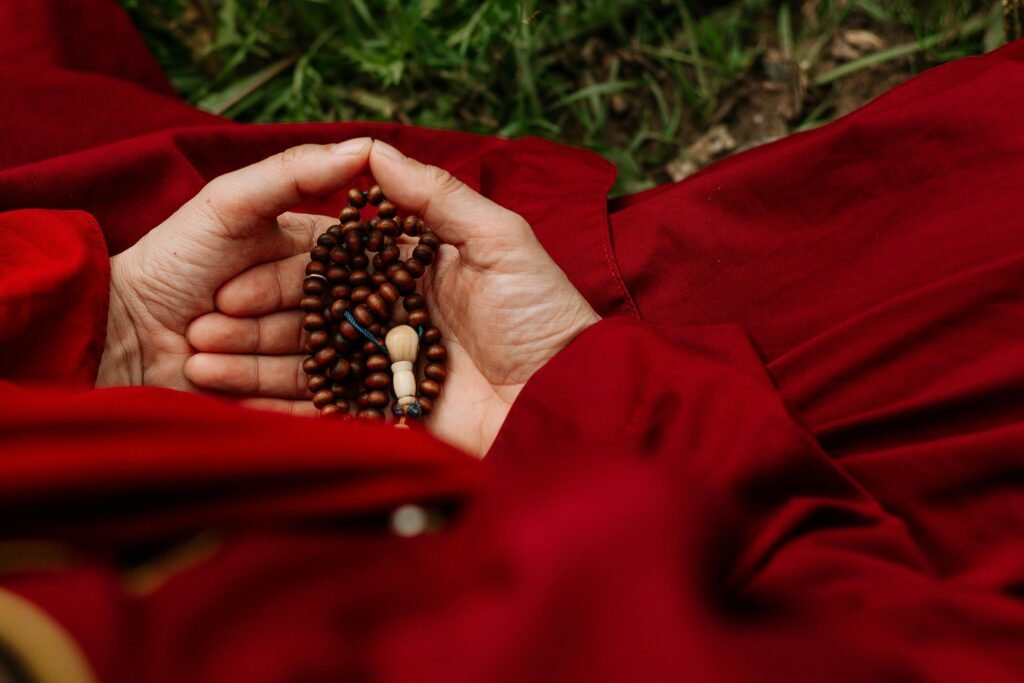
Another layer often overlooked is intention. Two people can perform the same action, yet experience very different outcomes depending on why they did it. Think about these distinctions:
- Acting kindly to appear good versus acting kindly out of care
- Speaking the truth to help versus speaking it to hurt
- Working hard from fear versus working with purpose
Karma, in this sense, is shaped not only by what you do but by the mindset behind it. Intent leaves a quieter imprint, affecting how you feel about yourself, how you relate to others, and how you respond to future situations.
This is why karma is often described as a teacher rather than a judge. It reflects patterns back to you, inviting awareness and growth instead of fear.
How Karma Shows Up Over Time
Rather than arriving as sudden rewards or punishments, karma often appears as patterns. You may notice that certain situations repeat until something changes within you. A familiar conflict resurfaces. A lesson you avoided returns in another form.
These patterns are not meant to trap you. They are meant to guide attention.
Karma over time can look like this:
- Repeating relationship dynamics until boundaries are learned
- Facing similar challenges until perspective shifts
- Feeling inner unrest until actions align with values
In this way, karma feels less like a scoreboard and more like a mirror. It shows you who you are becoming through your choices.
Living With Karma Without Fear
When karma is reduced to punishment, it creates anxiety. When it is understood as feedback, it encourages responsibility with compassion. You are not powerless. Each moment offers a chance to respond differently.
Living with awareness of karma does not mean obsessing over outcomes. It means paying attention to intention, consistency, and growth. Small choices, made honestly, shape your inner world long before they affect the outer one.
Conclusion
So, is karma just cause and effect, or something more? It begins with cause and effect, but it does not end there. Karma weaves together action, intention, awareness, and time into a larger story of learning. When you ask what is karma, the most useful answer may not be found in philosophy, but in reflection. How you live today quietly shapes who you become tomorrow. And that understanding alone can change the way you move through the world.