
Festivals are not just holidays they’re emotions. They bring families together, strengthen faith, and remind us of our roots.
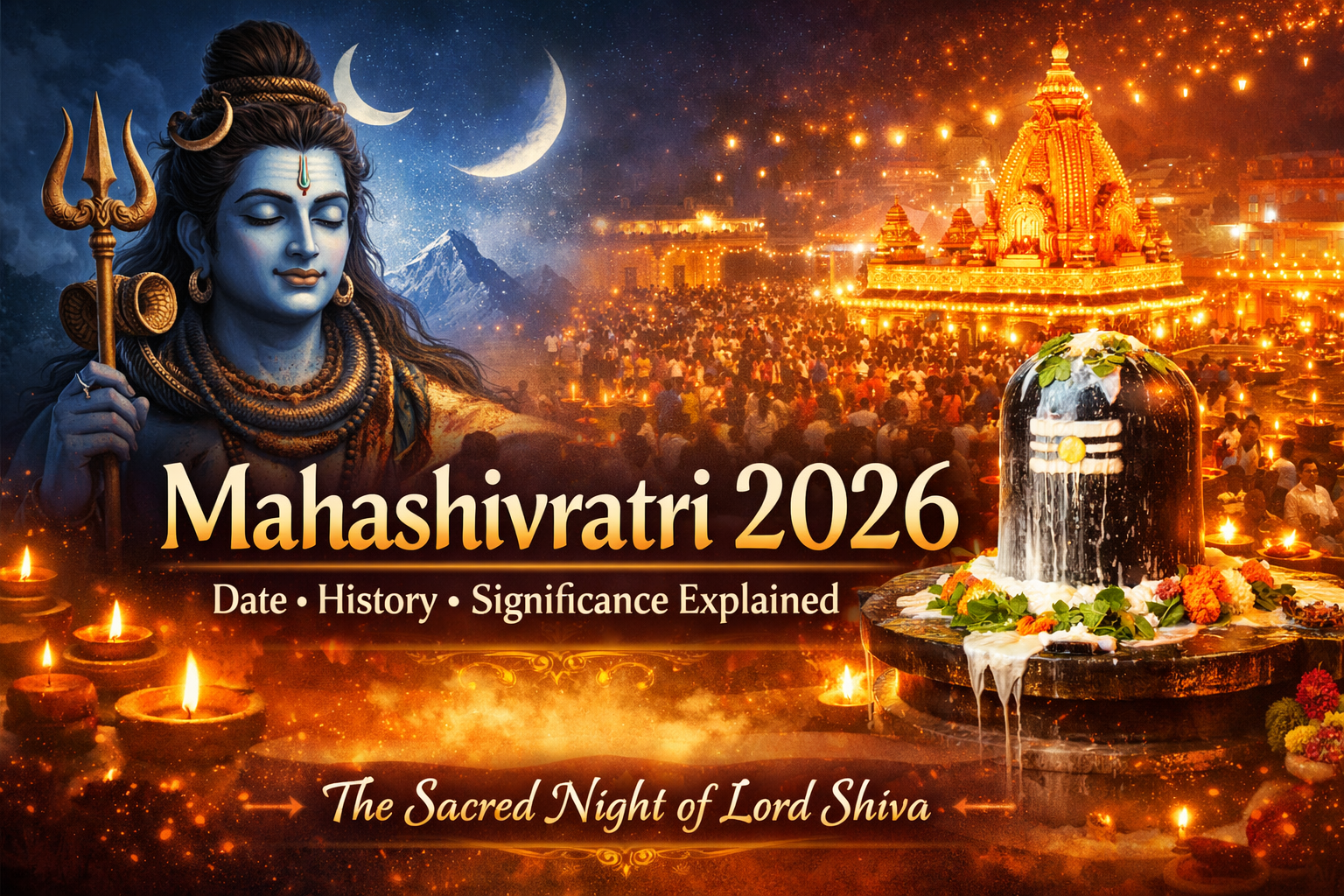
Among all Hindu festivals, Mahashivratri 2026 holds a special spiritual place. Known as the “Great Night of Shiva,” it is dedicated to Shiva, the symbol of strength, stillness, and transformation.
On this night, millions of devotees fast, pray, chant mantras, and stay awake till sunrise. Temples glow with lamps, bells ring continuously, and the air fills with the powerful sound of “Om Namah Shivaya.”
It’s not just a ritual it’s an experience.
Let’s understand the date, history, and real meaning behind this sacred night in a simple way.
Mahashivratri 2026: Date and Timing
Mahashivratri falls on the 14th night of the lunar month of Phalguna, so the date changes every year.
For Mahashivratri 2026, the festival is expected in February or early March, depending on the Hindu calendar.
Here’s what typically happens:
- Fast begins at sunrise
- Daytime spent in prayer and preparation
- Main puja and rituals at night
- Four rounds of worship (called prahar puja)
Many devotees visit famous temples like Kashi Vishwanath Temple, where thousands gather for special darshan. Streets stay awake all night it feels more like a spiritual fair than just a festival.
History Behind Mahashivratri
Mahashivratri is connected to several beautiful legends passed down for centuries.
One popular belief says this night marks the divine marriage of Parvati and Lord Shiva symbolizing the union of energy and consciousness.
Another story says Shiva performed the cosmic dance, the Tandava, representing creation, protection, and destruction the rhythm of life itself.
Some scriptures also mention that sincere worship on this night can wash away past mistakes and bring inner clarity.
So while the stories differ, the message stays the same:
Spiritual Significance of Mahashivratri
What makes this night so powerful?
It’s actually quite simple.
Mahashivratri encourages:
- self-control
- meditation
- discipline
- inner peace
Devotees believe Shiva represents calmness amid chaos. Worshipping him helps reduce stress and negative thoughts.
Staying awake all night is symbolic too. It means being conscious and aware, not lost in life’s distractions.
Many people chant:
Om Namah Shivaya
…for hours, entering a peaceful, almost meditative state.
Honestly, even first time participants often say they feel lighter and mentally refreshed the next day.
How People Celebrate Across India
Celebrations may look different in each region, but the devotion is the same everywhere.
Common rituals include:
- Fasting (fruits, milk, or light food only)
- Offering milk, water, and bel leaves to the Shiva Lingam
- Night long bhajans and chanting
- Temple visits and special aarti
Homes and temples are decorated with flowers and diyas. Some cities even organize cultural programs and spiritual gatherings.
It’s both festive and peaceful a rare combination.
Why Do Devotees Fast and Stay Awake?
At first, fasting all day and staying awake sounds tough. But there’s meaning behind it.
Fasting:
- detoxifies the body
- improves focus
- builds discipline
Staying awake:
- symbolizes overcoming ignorance
- promotes mindfulness
- supports meditation
Instead of sleeping, people pray, read scriptures, or simply sit quietly in reflection.
It becomes less about religion and more about self-connection.
Why Mahashivratri Still Matters in 2026
Life today is fast and stressful. We’re always scrolling, rushing, multitasking.
Mahashivratri feels like a pause button.
Even young people now attend temple events, online satsangs, and yoga sessions inspired by Shiva’s teachings.
The festival reminds us to:
- slow down
- breathe
- reconnect with ourselves
That’s why Mahashivratri 2026 remains just as relevant today as it was centuries ago.
Conclusion
Mahashivratri is not just another religious date on the calendar. It’s a night of strength, silence, and self-discovery.
Through fasting, prayer, and chanting, devotees seek balance and inner peace.
As Mahashivratri 2026 approaches, celebrating it with understanding not just rituals makes the experience deeper and more meaningful.
Sometimes, one quiet night is all we need to reset our minds and hearts.
Frequently Asked Questions
1. When is Mahashivratri 2026 celebrated?
It usually falls in February or March based on the lunar calendar. Check local temple timings for the exact date.
2. Why do people fast on Mahashivratri?
Fasting helps improve focus, discipline, and spiritual awareness while symbolizing purification.
3. Can non-Hindus participate?
Absolutely. Anyone can visit temples, meditate, or learn about the festival’s teachings.
Other Articles

How to Celebrate Holi 2026 Safely? Traditions, Rituals and Tips
What Is Renewable Energy Explained Simply for Beginners in 2026?