
Think back to the first time you saw someone draw on a screen instead of paper. It probably felt a little strange, maybe even unreal. In India, where art has traditionally lived on walls, fabric, and palm-sized canvases, that shift felt especially significant. Yet curiosity has always been one of our strongest creative instincts. As screens slowly entered studios and homes, digital art in India began to take shape quietly, not as a rebellion against tradition, but as an extension of it. It didn’t replace brushes or pigments; it simply offered artists a new surface, a new rhythm, and a new way of seeing.
From Traditional Roots to Experimental Tools
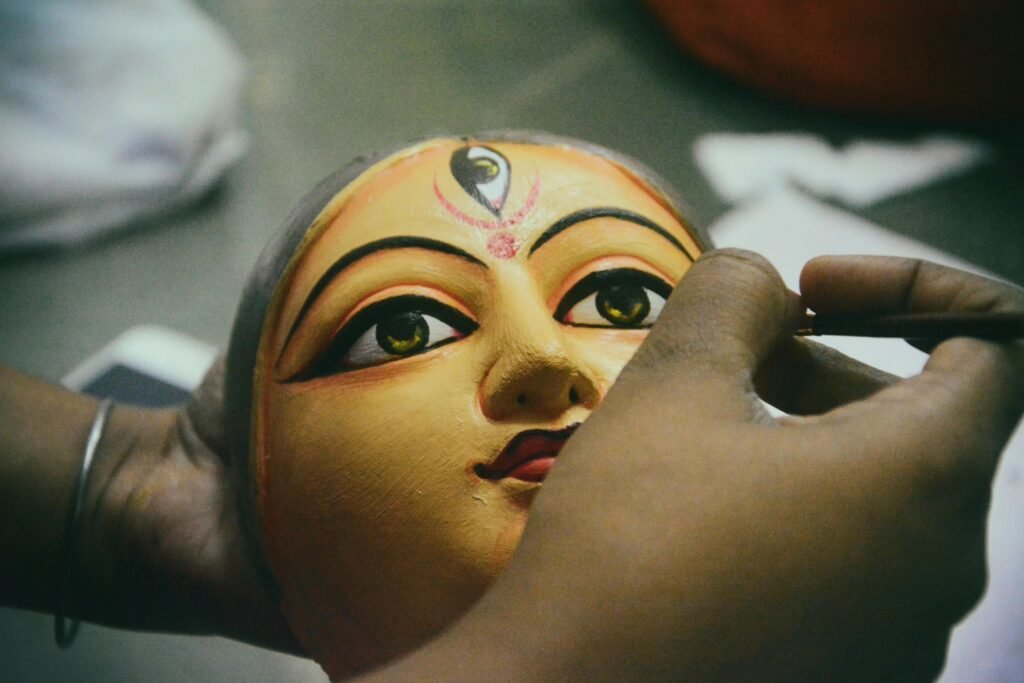
India’s artistic foundation is deeply traditional. Folk styles, miniature paintings, and classical forms trained generations to value patience and detail. When computer-based tools first appeared, many artists saw them as extensions rather than replacements. You can imagine the hesitation and excitement living side by side. The early phase was about testing limits and understanding whether a screen could hold the same emotion as paper.
This period was marked by exploration rather than mastery. Artists blended hand-drawn elements with basic software, often learning through trial and error. The goal was not perfection but possibility.
- Sketching by hand and refining on a screen
- Using basic animation techniques to retell familiar stories
- Experimenting with typography and layout for print and posters
These small steps quietly laid the groundwork for something larger.
Must Read: Why Every Visual Artist Needs a Personal Brand (And How to Build One)
Learning, Access, and the Rise of Self-Taught Creators
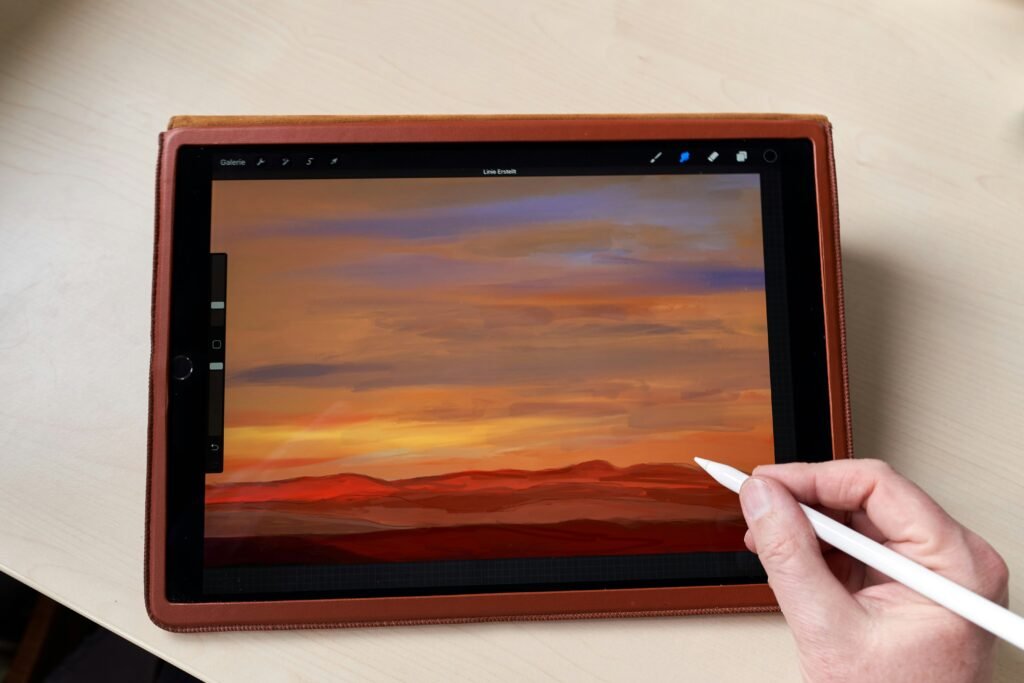
As access to personal computers grew, learning became less restricted. You no longer needed to be part of a formal studio to experiment. Tutorials, online forums, and shared resources opened doors for students, hobbyists, and professionals. This shift was especially important in a country as diverse as India, where creative talent exists far beyond major cities.
In this phase, digital art became a bridge. It connected regional voices to wider audiences and allowed creators to reinterpret local themes in contemporary forms. Mythology, social change, and everyday life found new expressions through illustration, motion, and mixed media.
Sharing, Feedback, and Community
As work began to travel more easily, so did conversations around it. Artists started sharing the process, not just finished pieces. Viewers became participants, offering feedback and interpretation. This exchange reshaped the creative relationship.
What stood out during this phase was a growing sense of community. People learned from one another, collaborated across distances, and built networks that felt less hierarchical and more inclusive.
Some noticeable changes included:
- Greater emphasis on creative process and intent
- Easier collaboration across regions and disciplines
- A shift from isolation to shared growth
Art no longer felt like something happening elsewhere. It felt close, reachable, and alive.
Challenges and Quiet Resilience of Digital Art in India
This evolution was not without friction. Questions around originality, authorship, and sustainability surfaced. Some worried about losing the tactile joy of traditional methods. Others struggled with keeping up as tools changed quickly. Yet, resilience has always been part of the Indian creative spirit.
Many artists responded by slowing down, focusing on fundamentals, and choosing tools that served their voice rather than chasing trends. In doing so, they shaped a balanced approach that respects both heritage and innovation.
An Evolving Conversation
Today, the evolution continues, shaped by choice rather than novelty. You might be someone who creates, someone who observes, or someone who simply appreciates the effort behind the work. Wherever you stand, this journey invites reflection.
The story of digital art in India is not about screens replacing traditions. It is about adaptation, curiosity, and the courage to explore new forms without letting go of old values. As you move forward, consider how creativity evolves when it listens, learns, and remains open. That ongoing conversation is where the real art lives.