
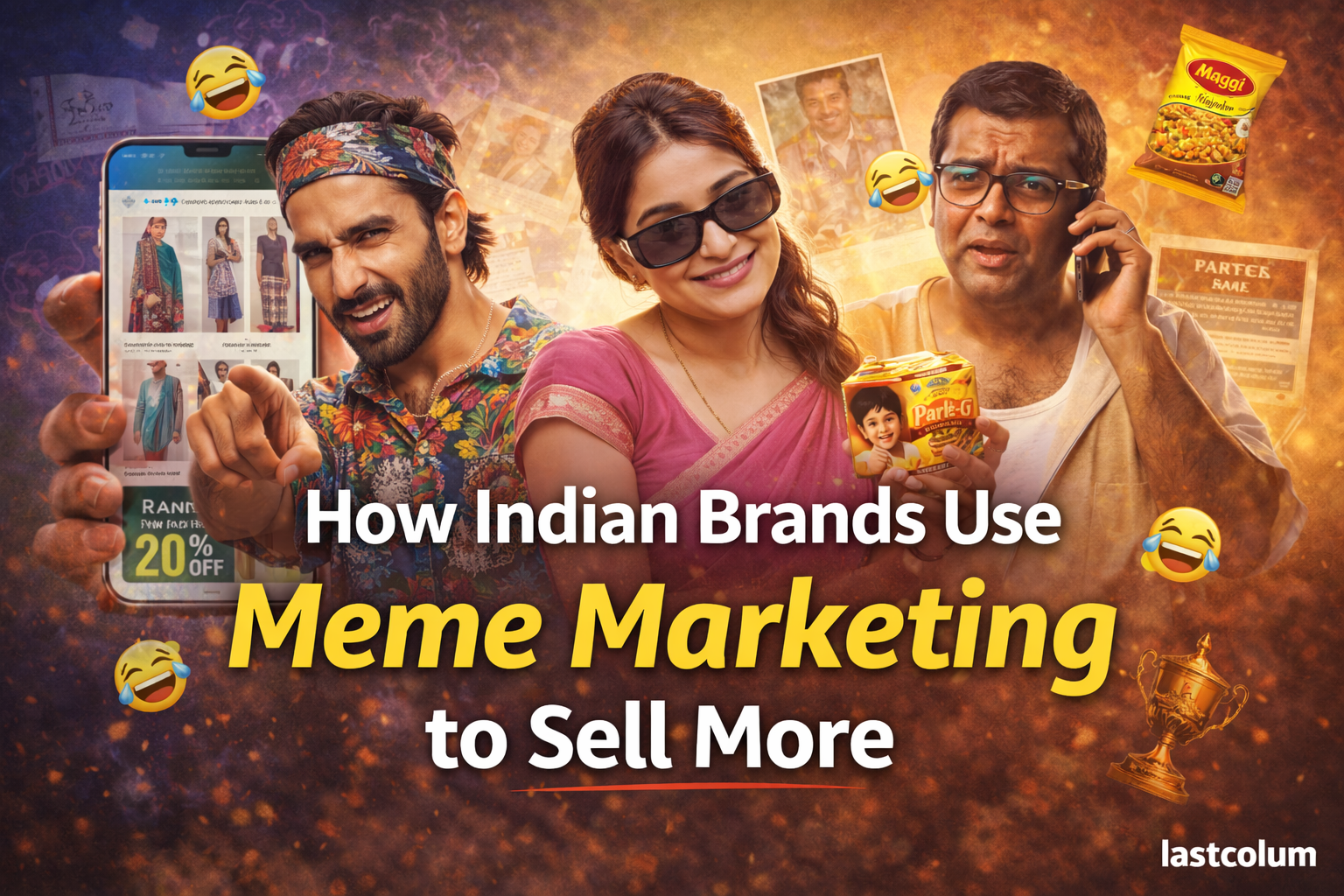
Meme marketing for Indian brands is no longer a side experiment. It has become a core part of how companies talk to customers online. Zomato posts a meme about late night hunger. Swiggy replies with one. Both trend on Twitter within the hour. Meanwhile, a food order goes through somewhere in between. That is not a coincidence. It is a strategy.
So how does this actually work? And why does it work better in India than almost anywhere else?
India Has the Right Conditions for Meme Marketing
India has over 750 million internet users. A large share of them are under 30. They spend significant time on Instagram, Twitter, and YouTube. Moreover, they are deeply familiar with regional pop culture, Bollywood dialogues, cricket references, and local humor.
Memes tap directly into that shared knowledge. A brand that uses a Vijay Sethupathi dialogue or a reference to a famous Amul ad is not just being funny. It is signaling that it understands its audience. That signal builds trust faster than most traditional ads can.
Furthermore, Indian users share content that makes them laugh or feel seen. A meme that lands well gets forwarded across WhatsApp groups, reposted on Instagram Stories, and screenshotted without credit. Each share is free reach that no media budget can fully replicate.
The Brands Doing This Well
Zomato is the obvious starting point. Their social media team posts memes that feel personal rather than corporate. They comment on their own delivery delays, make fun of Monday mornings, and reference trending topics within hours of those topics going viral. The result is a feed that people actually follow because they want to, not because they are targeted by an ad.
Swiggy, Dunzo, and boAt have followed similar paths. boAt in particular has connected meme culture to a specific identity: young, loud, unapologetically Indian. Their content does not just sell headphones. It sells a feeling of belonging to a generation.
However, smaller brands have also figured this out. D2C skincare brands, regional snack companies, and local clothing labels now run meme accounts or partner with meme pages that have followings in the millions. The cost is a fraction of what a TV spot would cost. The engagement rate is often significantly higher.
Why Memes Convert, Not Just Entertain
This is where most people get it wrong. They treat memes as awareness tools only. In reality, meme marketing works across the funnel.
At the top, memes build familiarity. A person who laughs at a Zomato meme is more likely to open the Zomato app when they are hungry. That connection is real, even if it is hard to measure directly.
In the middle, memes communicate product benefits without sounding like an ad. A meme showing the pain of bad earphones followed by a boAt product mention is more persuasive than a feature list. It meets the customer in a moment of recognition rather than interruption.
At the bottom, memes can trigger purchase decisions. A well-timed discount meme, especially one that references a shared cultural moment like an IPL match or a Bollywood release, creates urgency that converts.
What Makes a Meme Strategy Actually Work
Not every brand that tries memes gets results. The ones that fail usually make the same mistakes.
They post too late. A meme about a trend that is three days old is not a meme. It is a reminder that your social team is slow.
They play it too safe. Corporate memes that avoid any edge or opinion tend to get ignored. Indian audiences respond to brands that have a point of view.
They disconnect the meme from the brand. A funny meme that has nothing to do with what you sell does not build a customer. It builds a follower who will never buy.
Brands that succeed stay consistent, stay fast, and stay relevant to both their product and their audience. That combination is harder than it looks. However, the brands that get it right are seeing real results in sales, not just likes.
Frequently Asked Questions(FAQs)
- What is meme marketing and how does it work for Indian brands?
Meme marketing is the use of humorous, culturally relevant content to promote a brand or product on social media. For Indian brands, it works because it connects to shared experiences in Bollywood, cricket, and regional culture. When the audience recognizes the reference, they engage and share, which creates organic reach at low cost.
2. Which Indian brands are best known for meme marketing?
Zomato, Swiggy, boAt, and Dunzo are among the most recognized names in Indian meme marketing. Each has built a distinct online personality that goes beyond product promotion. Several D2C brands and regional businesses have also adopted the format with strong results.
3. Does meme marketing actually increase sales for Indian brands?
Yes, when done consistently and tied to the product. Memes build brand familiarity, communicate benefits in a non-intrusive way, and can drive purchase decisions during culturally relevant moments like IPL season or major film releases. Brands that align meme content with their audience’s identity tend to see measurable impact on traffic and conversions.
Other Articles
Why Is Hanuman Jayanti Celebrated on Pana Sankranti?
Is Rory McIlroy Now Among Golf’s All-Time Greats?